
Pests pose a constant threat to agriculture in Mauritius. They reduce crop yields and impact profitability. Effective pest control is crucial for farmers here. This article explores leading pest control Mauritius methods for 2025. It focuses on strategies that deliver sustainable success.
Understanding the Pest Landscape in Mauritius
Mauritius’ tropical climate supports diverse plant life. Unfortunately, this also means many pests thrive. Common agricultural pests include fruit flies and the Diamond Black Moth (DBM). Aphids, whiteflies, and spider mites also cause issues. Understanding these pests is the first step. Proper identification ensures effective treatment.
Integrated Pest Management (IPM)Mauritius: A Holistic Approach
Integrated Pest Management (IPM) is a smart strategy. It combines various methods for long-term pest prevention. IPM reduces reliance on chemical pesticides. It focuses on understanding the pest’s life cycle. Then, it targets their most vulnerable stages. This approach is sustainable and eco-friendly for Pest Control Mauritius.
Cultural Controls for Pest Prevention Mauritius
Good farming practices form the base of IPM. Crop rotation helps break pest cycles. Farmers should rotate crops regularly. This confuses pests and limits their food source. Proper sanitation also removes pest habitats. Weeds can harbor pests, so clear them diligently. Planting pest-resistant crop varieties is another key step. This reduces initial pest pressure.
Biological Control: Nature’s Allies Against Pests
Nature offers powerful pest control solutions. Biological control uses beneficial organisms. These organisms naturally prey on pests. For instance, ladybugs eat aphids. Parasitic wasps can control fruit flies. Introducing these natural enemies can reduce pest populations significantly. This method is safe for crops and the environment.
Physical Barriers and Trapping Methods
Physical methods offer direct pest protection. Nets can shield crops from flying insects. This prevents pests from reaching plants. Traps effectively capture and remove pests. Pheromone traps lure male moths. This disrupts their breeding cycle. Sticky traps catch various flying insects. Farmers must monitor traps regularly.
Chemical Control: Strategic and Responsible Use
Chemical pesticides remain a tool in pest management. However, their use should be strategic. Always choose the right pesticide for the specific pest. Read and follow label instructions carefully. This ensures safety and effectiveness. Apply pesticides at the correct time. Consider the pest’s life cycle for optimal results.
Selecting Eco-Friendly Pesticides
The trend in Mauritius is towards eco-friendly options. Many distributors offer safer pesticide alternatives. These products minimize harm to beneficial insects. They are also less toxic to humans and the environment. Prioritize these options whenever possible. This supports sustainable farming practices.
Safe Application and Storage Practices
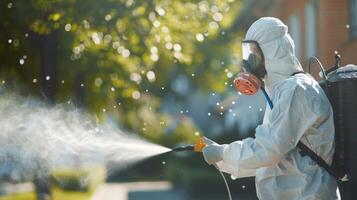
Safety is paramount when using chemicals. Always wear protective gear. This includes gloves, masks, and goggles. Store pesticides securely. Keep them away from food and water sources. Ensure they are out of reach of children and pets. Proper disposal of expired products prevents contamination.
Modern Innovations in Pest Control
Technology plays a growing role in pest control. Drones can monitor fields for pest outbreaks. This allows for early detection. Precision agriculture solutions target specific areas. This reduces overall pesticide use. Research continues for new, innovative methods.
Digital Monitoring and Early Detection
Digital tools enhance pest management. Farmers can use apps to record pest sightings. This data helps track infestations. Early detection allows for quick intervention. It prevents small problems from becoming major ones. Real-time information helps make informed decisions.
Biopesticides and Natural Extracts
Biopesticides are gaining popularity. They are derived from natural materials. These include plants, animals, and microorganisms. They offer a safer alternative to synthetic chemicals. Neem oil is a well-known natural repellent. Lemongrass also acts as a natural pest deterrent.
Action
Protect your crops and boost your yields today. Contact us to learn more about our advanced pest control solutions. Let our experts help you achieve 2025 success!